
Introduction to Advanced Threat Monitoring
Cybersecurity today feels like a never-ending chess match. Just when you think you’ve secured the board, attackers change their strategy. This is exactly why Advanced Threat Monitoring has become a cornerstone of modern security operations. It’s no longer enough to lock the doors; you need to know who’s circling the building, testing the windows, and planning their next move.
Advanced threat monitoring empowers organizations to spot suspicious activity early, respond faster, and stay one step ahead of cybercriminals. Instead of reacting to breaches, businesses can prevent them altogether.
- Communication tools keep teams aligned and productive.
- Real-time messaging and video calls speed up decisions.
- File sharing and collaboration reduce miscommunication.
- Cloud email platforms enable secure, professional communication.
- Integrated tools streamline workflows and reduce app switching.
- Secure communication platforms support remote and hybrid teams.
Why Modern Security Operations Need Advanced Threat Monitoring
Security operations are under constant pressure. Remote work, cloud adoption, IoT devices, and sophisticated attackers have expanded the attack surface dramatically. Traditional tools struggle to keep up.
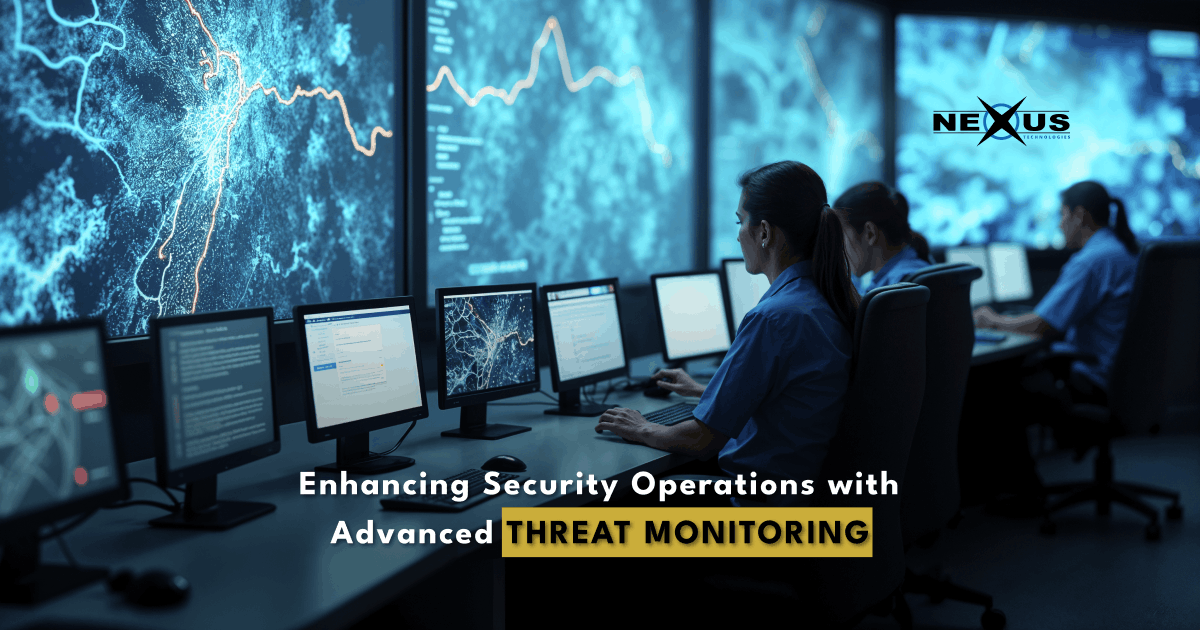
Advanced threat monitoring acts like a high-powered radar system, scanning your entire digital environment 24/7. It ensures your security operations center (SOC) doesn’t just collect logs but turns them into actionable intelligence.
Understanding the Core Concept of Advanced Threat Monitoring
At its core, advanced threat monitoring is about continuous visibility and intelligent analysis. It goes beyond basic alerts and focuses on patterns, behaviors, and anomalies that signal real threats.
Think of it as the difference between a smoke alarm and a smart fire detection system. One beeps when there’s smoke; the other understands heat patterns, airflow, and ignition sources.
How Cyber Threats Have Evolved
Attackers are smarter than ever. Today’s threats include ransomware-as-a-service, fileless malware, insider threats, and advanced persistent threats (APTs). These attacks often stay hidden for weeks or months.
Advanced threat monitoring is designed specifically to uncover these stealthy tactics before they cause damage.
Limitations of Traditional Security Monitoring
Traditional monitoring relies heavily on predefined rules and signatures. That works fine for known threats but fails miserably against new or evolving attacks.
Advanced threat monitoring fills this gap by using behavior-based detection and real-time correlation across systems.
What Makes Advanced Threat Monitoring Different
The real difference lies in context. Advanced threat monitoring connects the dots between users, endpoints, networks, and applications. It tells a story instead of showing isolated events.
Key Components of Advanced Threat Monitoring
Real-Time Threat Detection
Speed matters. Advanced threat monitoring detects suspicious activity as it happens, not hours or days later. This real-time visibility dramatically reduces response time.
Behavioral Analytics and Anomaly Detection
Instead of asking, “Is this attack known?” advanced systems ask, “Does this behavior make sense?” Any deviation from normal patterns raises a red flag.
Threat Intelligence Integration
By integrating global threat intelligence feeds, advanced threat monitoring tools recognize indicators of compromise faster and more accurately.
Role of SIEM in Advanced Threat Monitoring
A robust SIEM platform is the engine behind effective monitoring. Solutions like SIEM and SOC deployment provide centralized log management, correlation, and alerting, making them essential for advanced threat monitoring. Learn more about professional deployment options at
Nexus SIEM & SOC
Importance of SOC in Continuous Monitoring
A well-staffed SOC ensures that alerts are analyzed, prioritized, and acted upon immediately. Advanced monitoring without a SOC is like having CCTV footage no one watches.
How Advanced Threat Monitoring Enhances Security Operations
Proactive Threat Identification
Instead of waiting for alarms to go off, advanced threat monitoring actively hunts for threats. This proactive approach minimizes dwell time and damage.
Faster Incident Response
When every second counts, automated correlation and prioritized alerts help teams respond quickly and confidently.
Improved Visibility Across IT Infrastructure
From endpoints to cloud workloads, advanced threat monitoring provides a unified view, ensuring nothing slips through the cracks.
Advanced Threat Monitoring and SIEM-SOC Integration
Why SIEM is the Backbone of Threat Monitoring
SIEM platforms aggregate data from across the environment. When properly deployed, they become the foundation of advanced threat monitoring strategies.
How SOC Teams Use Advanced Monitoring Tools
SOC analysts rely on dashboards, alerts, and threat intelligence to investigate incidents efficiently. Integrated SIEM-SOC solutions streamline workflows and reduce manual effort.
Benefits of SIEM & SOC Deployment
A professionally deployed SIEM and SOC setup improves detection accuracy, reduces false positives, and strengthens overall security posture.
Business Benefits of Advanced Threat Monitoring
Reduced Risk of Data Breaches
Early detection prevents attackers from gaining a foothold, significantly lowering breach risk.
Regulatory Compliance and Reporting
Advanced monitoring simplifies compliance with standards like ISO, PCI DSS, and GDPR through detailed logs and reports.
Cost Savings Through Early Detection
Stopping attacks early is far cheaper than dealing with ransomware recovery, legal fines, or reputational damage.
Challenges in Implementing Advanced Threat Monitoring
Managing Alert Fatigue
Too many alerts can overwhelm teams. Proper tuning and intelligent correlation are essential.
Skill Gaps in Security Teams
Advanced tools require skilled analysts. This is why many organizations opt for managed SIEM-SOC services.
Data Overload Issues
Without proper filtering and prioritization, massive data volumes can hinder visibility instead of improving it.
Best Practices for Effective Advanced Threat Monitoring
Aligning Monitoring with Business Goals
Security monitoring should protect what matters most to the business, not just generate alerts.
Continuous Improvement and Threat Hunting
Threat landscapes change constantly. Regular tuning and proactive threat hunting keep monitoring effective.
Partnering with Managed Security Providers
Working with experts ensures optimal SIEM-SOC deployment and continuous monitoring without straining internal teams.
Future of Advanced Threat Monitoring
AI and Machine Learning in Threat Detection
AI-driven analytics will further enhance accuracy, reducing false positives and improving response times.
Automation and Orchestration
Automated responses will handle routine threats, freeing analysts to focus on complex investigations.
Zero Trust and Continuous Monitoring
Advanced threat monitoring will play a central role in Zero Trust models, ensuring continuous verification across environments.
Conclusion
Advanced threat monitoring is no longer optional; it’s essential. In a world where cyber threats evolve daily, businesses need intelligent, proactive, and continuous security visibility. By integrating advanced threat monitoring with robust SIEM and SOC deployments, organizations can transform their security operations from reactive to resilient. The result? Faster response, stronger defenses, and peace of mind.
FAQs
What is advanced threat monitoring?
Advanced threat monitoring is a proactive security approach that uses real-time analytics, behavioral detection, and threat intelligence to identify sophisticated cyber threats.
How does advanced threat monitoring differ from traditional monitoring?
Traditional monitoring relies on known signatures, while advanced threat monitoring focuses on behavior, context, and anomalies.
Why is SIEM important for advanced threat monitoring?
SIEM centralizes logs and correlates events, making it the backbone of effective advanced threat monitoring.
Can small businesses benefit from advanced threat monitoring?
Absolutely. Managed SIEM-SOC services make advanced threat monitoring accessible and cost-effective for smaller organizations.
How often should threat monitoring systems be updated?
Continuously. Regular updates, tuning, and threat intelligence integration are critical for staying ahead of attackers.