
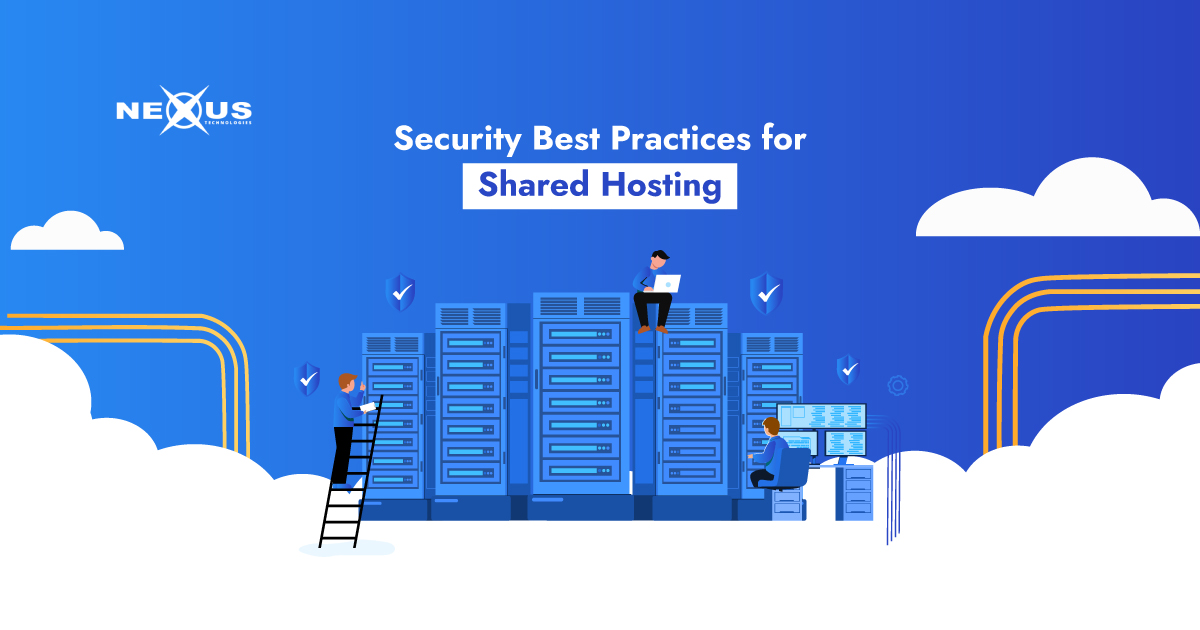
Managing a cPanel shared hosting account comes with its own set of challenges, especially when it comes to security. While shared hosting offers affordability and ease of use, it also means that multiple websites share the same server resources, making it crucial to implement strong security measures. To help you protect your website and sensitive data, we’ve compiled the best security practices for managing your cPanel shared hosting account.
Use Strong Passwords and Change Them Regularly
- Use strong passwords and enable two-factor authentication (2FA) to secure your cPanel account.
- Regularly update CMS, plugins, and scripts to prevent security vulnerabilities.
- Set proper file permissions (644 for files, 755 for directories) to avoid unauthorized access.
- Use a Web Application Firewall (WAF) to block malicious traffic and attacks.
- Backup your website regularly to protect against data loss or hacks.
- Monitor cPanel access logs to detect suspicious activity early.
Enable Two-Factor Authentication (2FA)
Regularly Update Your Software and Scripts
Monitor and Manage File Permissions
Implement Web Application Firewalls (WAF)
Backup Your Data Regularly
Monitor Access Logs for Suspicious Activity
Disable Unnecessary Services and Features
Secure Your Database
Educate Yourself and Your Team
Staying informed about the latest security threats and best practices is essential for maintaining a secure hosting environment. Regularly educate yourself and your team about emerging security risks and preventive measures. By fostering a culture of security awareness, you can better protect your cPanel shared hosting account and your website.
Conclusion: Strengthening Your cPanel Security
Need Reliable Hosting with Enhanced Security?
FAQs
How can I secure my cPanel shared hosting account?
You can secure your cPanel account by using strong passwords, enabling two-factor authentication, updating software regularly, and monitoring server logs.
Why is two-factor authentication important in cPanel?
Two-factor authentication adds an extra security layer by requiring a verification code along with your password, reducing the risk of unauthorized access.
What file permissions should be used in cPanel?
For better security, files should typically use 644 permissions and directories 755, preventing unauthorized users from modifying files.
Why are regular backups important for shared hosting?
Security tools like Web Application Firewalls (WAF), malware scanners, and SSL encryption help protect websites from cyberattacks and vulnerabilities.
What security tools help protect a cPanel website?
Security tools like Web Application Firewalls (WAF), malware scanners, and SSL encryption help protect websites from cyberattacks and vulnerabilities.