
Choosing the right hosting infrastructure is one of the most critical decisions for any growing business. Whether you’re scaling an e-commerce platform, running resource-intensive applications, or managing high-traffic websites, understanding the difference between cloud VPS vs dedicated servers can make or break your online performance.
Both solutions offer significant advantages over basic shared hosting, but they serve different needs, budgets, and technical requirements. Cloud VPS provides flexibility and scalability through virtualized resources, while dedicated servers deliver maximum power and control with exclusive hardware access.
Many businesses rush into expensive dedicated server contracts without considering whether cloud VPS could meet their needs at a fraction of the cost. Others choose cloud VPS for its affordability but struggle when they need the raw performance only dedicated hardware can provide.
This comprehensive guide explores cloud VPS vs dedicated servers, comparing performance, pricing, security, scalability, and management requirements to help you choose the hosting solution that best fits your business goals.
- Cloud VPS offers flexibility and scalability, while dedicated servers deliver maximum power and control
- Performance needs should drive your choice, not price alone
- Cloud VPS is more cost-effective for small to mid-sized businesses
- Dedicated servers are better for strict security and compliance requirements
- Scalability is significantly easier with Cloud VPS
- A hybrid approach often delivers the best balance
Understanding Cloud VPS vs Dedicated Servers
Before diving into comparisons, it’s essential to understand how each hosting solution works and what makes them fundamentally different.
What is Cloud VPS Hosting?
Cloud VPS (Virtual Private Server) uses virtualization technology to partition physical servers into multiple virtual environments. Each VPS operates independently with dedicated resources (CPU, RAM, storage) allocated from a pool of servers in a cloud infrastructure.
Key Characteristics:
- Virtualized resources distributed across multiple physical servers
- Scalable on-demand resource allocation
- Pay-as-you-grow pricing models
- Automated redundancy and failover protection
- Shared physical infrastructure with isolated virtual environments
What is a Dedicated Server?
A dedicated server provides exclusive access to an entire physical server and all its resources. No other websites or applications share the hardware, giving you complete control over configuration, security, and performance.
Key Characteristics:
- Exclusive access to all server hardware resources
- Maximum processing power and memory
- Full root access and complete customization
- Single-tenant environment with no resource sharing
- Fixed resource allocation based on hardware specifications
Understanding these fundamental differences helps clarify why cloud VPS vs dedicated servers isn’t simply about choosing the more expensive option—it’s about matching your hosting to your actual business requirements.
Not sure which option is best for you? Check out the latest plans VPS & Dedicated Servers.
Performance Comparison: Cloud VPS vs Dedicated Servers
Performance is often the deciding factor when businesses evaluate cloud VPS vs dedicated servers. Both solutions offer significant power, but they deliver performance differently.
Processing Power and Speed
Dedicated servers provide consistent, maximum performance because you have exclusive access to all CPU cores, RAM, and processing capacity. There’s no competition for resources, making dedicated servers ideal for applications requiring sustained high performance.
Cloud VPS offers excellent performance for most applications, with the ability to scale resources instantly during traffic spikes. However, performance can occasionally be affected by “noisy neighbors” on the same physical hardware, though modern hypervisors and resource allocation systems minimize this issue.
Resource Consistency
With dedicated servers, resources remain constant and predictable. You know exactly what processing power, memory, and storage you have available at all times, making capacity planning straightforward.
Cloud VPS resources are allocated dynamically. While this provides flexibility, businesses with extremely consistent, high-demand workloads may prefer the guaranteed resources of a dedicated environment.
Application-Specific Performance
For database-intensive applications, video streaming, gaming servers, or large-scale data processing, dedicated servers often deliver superior performance. For web applications, content management systems, and business applications with variable traffic, cloud VPS typically provides excellent performance with better cost efficiency.
Cost Analysis: Cloud VPS vs Dedicated Servers
Budget considerations play a crucial role in the cloud VPS vs dedicated servers decision. Understanding the total cost of ownership helps businesses make financially sound choices.
Initial Investment
Cloud VPS requires minimal upfront investment. Most providers offer flexible monthly billing, allowing you to start small and scale resources as needed without major capital expenditure.
Dedicated servers typically involve higher initial costs. You’re paying for exclusive access to powerful hardware, often with annual or multi-year contracts that reduce monthly rates but increase upfront commitment.
Ongoing Operational Costs
Cloud VPS pricing scales with usage. As your resource needs grow, costs increase proportionally. This pay-as-you-grow model prevents over-provisioning and wasted resources.
Dedicated server costs remain relatively fixed regardless of actual resource utilization. If you only use 40% of your server’s capacity, you’re still paying for 100% of the hardware.
Hidden Costs to Consider
Both solutions may include additional costs for backups, security features, management services, and bandwidth overages. Managed dedicated servers can significantly increase monthly expenses, while cloud VPS management is often more affordable or included.
Cost Efficiency at Different Scales
For small to medium businesses, cloud VPS typically offers better cost efficiency. As your resource requirements grow substantially, dedicated servers may become more economical, especially if you consistently utilize most of the server’s capacity.
Still deciding between Cloud VPS and Dedicated Servers?
Scalability and Flexibility
The ability to adapt to changing business needs is a critical consideration in the cloud VPS vs dedicated servers comparison.
Vertical Scaling (Upgrading Resources)
Cloud VPS excels at vertical scaling. You can increase CPU, RAM, or storage within minutes, often without downtime. This makes cloud VPS ideal for businesses experiencing growth or seasonal traffic fluctuations.
Dedicated servers require physical hardware upgrades or migration to more powerful servers, involving downtime, data transfer, and potential service interruption. Scaling is possible but significantly more complex and time-consuming
Horizontal Scaling (Adding Servers)
Cloud infrastructure makes horizontal scaling straightforward. Add multiple VPS instances behind load balancers to distribute traffic and handle growth seamlessly.
While you can deploy multiple dedicated servers, the process is more expensive, complex, and requires significant infrastructure planning and management expertise.
Handling Traffic Spikes
Cloud VPS handles unexpected traffic surges gracefully. Resources can be scaled up temporarily during peak periods and scaled back down when traffic normalizes, optimizing costs.
Dedicated servers must be provisioned for peak capacity, meaning you pay for maximum resources year-round, even if you only need them occasionally.
Security Considerations
Security is paramount when evaluating cloud VPS vs dedicated servers, especially for businesses handling sensitive data or operating in regulated industries.
Isolation and Data Protection
Dedicated servers offer complete isolation. Your data and applications run on hardware exclusively under your control, eliminating concerns about other tenants accessing your resources.
Cloud VPS provides strong isolation through virtualization technology, but multiple virtual environments share physical hardware. Modern hypervisors create secure boundaries, though some businesses prefer the absolute isolation of dedicated servers.
Compliance and Regulatory Requirements
Industries with strict compliance requirements (healthcare, finance, government) may mandate dedicated infrastructure. Dedicated servers simplify compliance by providing complete control over the entire technology stack.
Cloud VPS can meet most compliance standards, but businesses must verify that their provider’s infrastructure and practices align with regulatory requirements.
Security Customization
Dedicated servers allow unlimited security customization. Install any security software, configure firewalls precisely to your specifications, and implement custom security protocols without restrictions.
Cloud VPS offers substantial security customization within the virtualized environment, though some low-level security configurations may be limited by the hypervisor or hosting provider’s policies.
DDoS Protection and Redundancy
Cloud infrastructure often includes built-in DDoS protection and redundancy across multiple data centers. If one physical server fails, your VPS can migrate to another automatically.
Dedicated servers require separate DDoS protection services and manual redundancy configuration, increasing complexity and potentially cost.
Management and Technical Requirements
The technical expertise required to manage your hosting infrastructure significantly impacts the cloud VPS vs dedicated servers decision.
Administrative Complexity
Dedicated servers require advanced technical knowledge for setup, configuration, security hardening, and ongoing maintenance. System administrators must manage hardware monitoring, operating system updates, and performance optimization.
Cloud VPS simplifies many management tasks through intuitive control panels and automation. While technical knowledge is still beneficial, the learning curve is less steep for businesses without dedicated IT staff.
Control Panel and Tools
Most cloud VPS providers offer user-friendly control panels for resource management, monitoring, and scaling. These interfaces make common tasks accessible to users without deep Linux or Windows server expertise.
Dedicated servers may include management panels, but full server control often requires command-line proficiency and deeper understanding of server administration.
Managed vs Unmanaged Options
Both cloud VPS and dedicated servers are available in managed and unmanaged configurations. Managed services handle security patches, updates, monitoring, and technical support, ideal for businesses lacking in-house IT expertise.
Unmanaged solutions provide complete control but require significant technical knowledge or the cost of hiring system administrators
Time Investment
Cloud VPS reduces time spent on routine management tasks through automation and simplified interfaces. Scaling, backups, and basic maintenance often require minimal time investment.
Dedicated servers demand more hands-on management time, particularly for hardware monitoring, capacity planning, and infrastructure updates.
Best Practices for Choosing Between Cloud VPS and Dedicated Servers
Making the right choice in the cloud VPS vs dedicated servers debate requires careful evaluation of your specific needs.
1. Assess Your Current and Future Resource Needs
Calculate your expected traffic, storage requirements, processing power, and memory needs for the next 12-24 months. Factor in seasonal variations and growth projections.
If your needs are uncertain or likely to fluctuate, cloud VPS provides flexibility. If you have predictable, consistently high resource requirements, dedicated servers may offer better value.
2. Evaluate Your Technical Expertise
Be honest about your team’s technical capabilities. Cloud VPS is more forgiving for businesses without dedicated system administrators, while dedicated servers reward technical expertise with complete control.
3. Consider Your Budget Constraints
Compare total cost of ownership, not just monthly fees. Include setup costs, management expenses, scaling costs, and potential downtime expenses when calculating your budget.
4. Analyze Security and Compliance Requirements
Review your industry’s regulatory requirements and internal security policies. Some compliance frameworks may necessitate dedicated infrastructure, while others work perfectly well with properly configured cloud VPS.
5. Test Before Committing
Many providers offer trial periods or money-back guarantees. Test performance, evaluate management interfaces, and assess support quality before making long-term commitments.
6. Plan Your Growth Strategy
Choose hosting that aligns with your growth trajectory. If rapid scaling is likely, cloud VPS provides easier expansion. If you’re approaching maximum VPS capacity, transitioning to dedicated servers may be your next logical step.
When to Choose Cloud VPS
Cloud VPS is the optimal choice for:
Growing Businesses: Companies experiencing rapid growth or unpredictable traffic patterns benefit from instant scalability without large capital investments.
Seasonal Operations: E-commerce sites with holiday traffic spikes or businesses with seasonal demand can scale resources up and down cost-effectively.
Development and Testing: Multiple VPS instances provide isolated environments for development, staging, and production without purchasing multiple dedicated servers.
Budget-Conscious Projects: Startups and small businesses maximize value by paying only for resources they actually use, with the ability to scale as revenue grows.
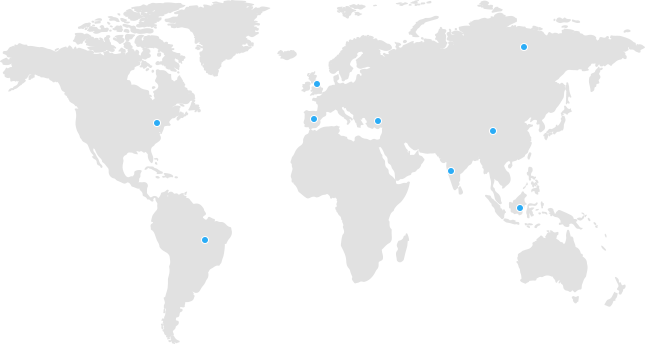
Multi-Location Operations: Cloud infrastructure typically spans multiple data centers, making it easier to serve global audiences with low latency.
A strong example is Nexus Cloud VPS, offering enterprise-grade infrastructure in Pakistan.
When to Choose Dedicated Servers
Dedicated servers are the better choice for:
High-Performance Applications: Resource-intensive applications like large databases, video encoding, or high-traffic gaming servers benefit from dedicated hardware’s raw power.
Consistent Heavy Workloads: If you consistently utilize 80%+ of server resources, dedicated servers provide better value than equivalent cloud VPS capacity.
Maximum Security Requirements: Organizations handling highly sensitive data or operating under strict compliance mandates may require the complete isolation dedicated servers provide.
Custom Hardware Needs: Applications requiring specific hardware configurations, specialized processors, or custom storage arrays need dedicated infrastructure.
Predictable Long-Term Needs: Businesses with stable, predictable resource requirements for 2+ years may find dedicated servers more cost-effective with multi-year contracts.
A strong example is Nexus Dedicated Servers, including Nexus PK Dedicated Servers and Nexus International Dedicated Servers, which deliver enterprise-grade infrastructure both in Pakistan and across global locations.
Hybrid Approaches: Getting the Best of Both Worlds
The cloud VPS vs dedicated servers decision doesn’t have to be all-or-nothing. Many businesses use hybrid approaches combining both solutions:
- Database on Dedicated, Web Servers on Cloud VPS: Place your database on a dedicated server for consistent performance while using scalable cloud VPS instances for web and application servers.
- Production on Dedicated, Development on Cloud VPS: Run production workloads on dedicated hardware while using cost-effective cloud VPS for development, testing, and staging environments.
- Content Delivery Networks (CDN): Combine dedicated or cloud VPS hosting with CDN services to optimize global content delivery without scaling core infrastructure excessively.
This strategic approach allows businesses to optimize performance, cost, and flexibility based on specific application requirements.
Common Mistakes to Avoid
Over-Provisioning Dedicated Servers: Purchasing more server capacity than you need wastes money. Start with what you need now, with a clear upgrade path.
Under-Estimating Cloud VPS Costs: While initially affordable, cloud VPS costs grow with resource usage. Monitor and optimize resource consumption to control expenses.
Ignoring Management Requirements: Underestimating the technical expertise needed to manage your hosting leads to security vulnerabilities and performance issues.
Choosing Based Only on Price: The cheapest option isn’t always the best value. Consider performance, reliability, support quality, and scalability when making your decision.
Neglecting Backup and Disaster Recovery: Regardless of your choice, implement robust backup strategies and disaster recovery plans to protect your business-critical data.
FAQs
Cloud VPS uses virtualization to create isolated environments on shared physical hardware, offering flexibility and scalability. Dedicated servers provide exclusive access to an entire physical server with maximum performance and control.
Dedicated servers typically offer superior raw performance for sustained high-demand workloads. Cloud VPS provides excellent performance for most applications and can scale instantly during traffic spikes.
Cloud VPS is generally more cost-effective for small to medium businesses with variable resource needs. Dedicated servers become competitive for businesses with consistently high resource utilization over long periods.
Yes. Most hosting providers support migration between hosting types. Plan migrations carefully to minimize downtime and ensure proper data transfer.
Dedicated servers offer complete isolation and control, appealing to businesses with maximum security requirements. Properly configured cloud VPS provides strong security adequate for most applications and compliance standards.
Cloud VPS is more accessible for users with basic technical knowledge, especially with managed services. Dedicated servers typically require advanced system administration skills or managed hosting services.
Make Your Hosting Decision With Confidence
The cloud VPS vs dedicated servers decision ultimately depends on your specific business requirements, budget, technical expertise, and growth trajectory. Cloud VPS offers unmatched flexibility and cost efficiency for businesses with variable needs, while dedicated servers deliver maximum performance and control for demanding workloads.
By carefully evaluating your current needs, future growth plans, security requirements, and technical capabilities, you can select the hosting infrastructure that provides the best foundation for your business success.
Whether you choose cloud VPS, dedicated servers, or a hybrid approach, prioritize reliable providers with strong support, proven uptime, and clear upgrade paths to ensure your hosting infrastructure grows with your business.