
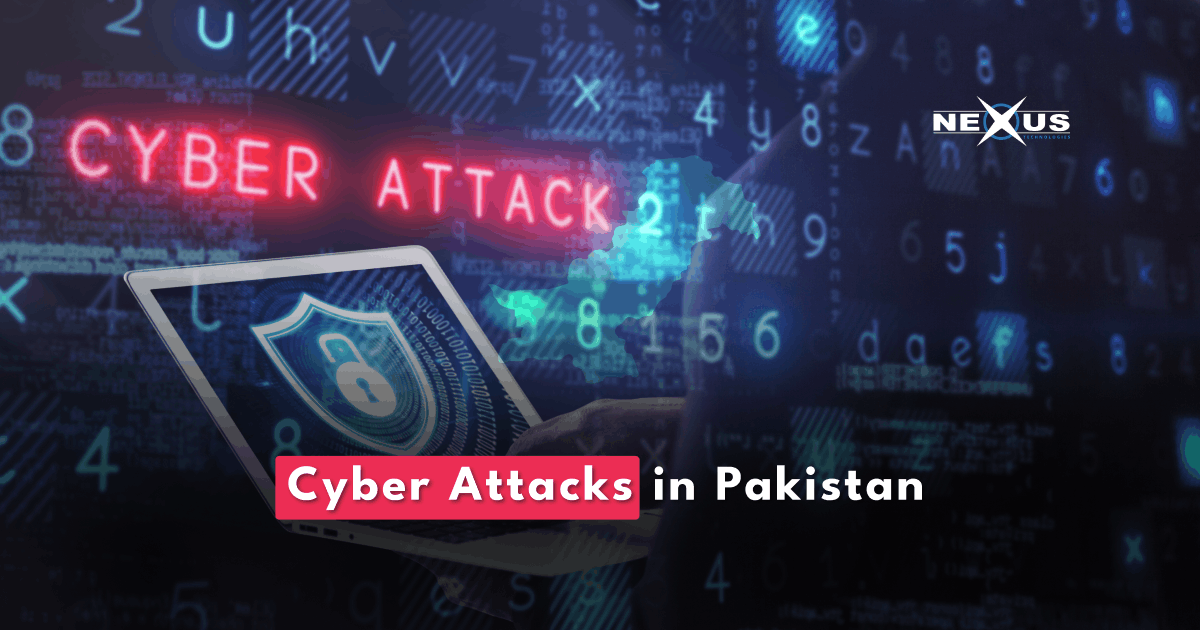
Pakistan’s digital economy continues to grow. Businesses now rely on cloud systems, online banking, digital payments, and remote work tools.
However, this growth also increases cyber risks.
Hackers target Pakistani businesses because many organizations still use weak security systems. Attackers steal sensitive data, shut down systems, and demand ransom payments.
Many companies only realize the importance of cybersecurity services after an attack happens.
- Rising Cyber Threats in Pakistan
- Most Common Cyber Attacks
- Critical Cybersecurity Measures
- Recommended Actions After a Cyber-Attack
- How Small Businesses Can Improve Cybersecurity
- Importance of Managed Cybersecurity Services
Why Cyber Attacks Are Increasing in Pakistan
Cyber-attacks in Pakistan have increased rapidly over the last few years.
Hackers now target businesses of all sizes. Small and medium companies face even higher risks because they often lack dedicated cybersecurity service teams, which makes them more vulnerable to attacks compared to larger organizations that typically have more resources to invest in cybersecurity measures.
Several factors drive this increase:
- More businesses moving online
- Limited cybersecurity awareness among employees
- Outdated IT infrastructure
- Increased geopolitical cyber activity
- Lack of continuous security monitoring
Cybercriminals actively search for these weaknesses and exploit them quickly.
Businesses must take cybersecurity seriously to protect their data, operations, and reputation.
Most Common Cyber Attacks in Pakistan
Businesses across Pakistan face several types of cyber threats every day.
Phishing Attacks in Pakistan
Phishing remains the most common cyber-attack in Pakistan.
Attackers send fake emails that look like official messages from banks, IT departments, or service providers. Employees click the link, enter their credentials, or download malicious files. This action gives hackers direct access to company systems.
Many cyber-attacks begin with a simple phishing email.
Ransomware Attacks Targeting Pakistani Companies
Ransomware attacks lock important business files and systems. Attackers then demand payment to restore access. Companies that lack backups often struggle to recover their data.
Ransomware can stop operations completely, causing financial losses and reputational damage.
Data Breaches and Data Theft
Hackers frequently target sensitive data such as the following:
- Customer records
- Financial information
- Employee data
- Company intellectual property
A data breach can damage customer trust and lead to legal consequences.
Businesses must protect their data before attackers gain access.
DDoS Attacks on Pakistani Websites
A Distributed Denial of Service (DDoS) attack floods a website or server with massive traffic.This traffic overload shuts down the system.
Banks, government websites, and online businesses in Pakistan often face DDoS attacks during political or economic events
Cybersecurity Solutions by Nexus
The Nexus provides advanced cybersecurity solutions to safeguard websites, servers, and customer data.
Server Security
Cybersecurity teams protect the hosting servers where websites are stored. They:
- Configure firewalls
- Monitor server access
- Patch operating systems and software
- Prevent unauthorized logins
DDoS Protection
Hosting providers must stop Distributed Denial of Service (DDoS) attacks that try to crash websites by flooding servers with traffic.
Malware Detection
Cybersecurity specialists:
- Scan hosted websites for malware
- Remove malicious code
- Prevent infected websites from spreading attacks
Data Protection
They protect customer data by:
- Encrypting connections using SSL/TLS
- Securing databases
- Creating secure backup systems
Vulnerability Management
Security teams regularly:
- Perform security audits
- Run penetration tests
- Fix vulnerabilities before hackers exploit them
Monitoring & Incident Response
Cybersecurity professionals monitor servers 24/7 and respond to the following:
- Hacking attempts
- Suspicious activity
- Data breaches
At Nexus, cybersecurity professionals ensure that all hosted websites, servers, and customer information stay safe from hackers and cyberattacks.
Why Pakistani Businesses Should Invest in Cybersecurity Now
Cyber threats will continue to grow as Pakistan becomes more digitally connected.
Companies that ignore cybersecurity risks expose themselves to financial losses, operational disruption, and reputational damage.
Organizations must treat cybersecurity as a core business priority.
Businesses that partner with experienced cybersecurity providers like Nexus gain stronger protection, faster response times, and greater operational resilience.
Conclusion
Cyber attacks in Pakistan are growing rapidly, and no business is too small to be targeted. Phishing, ransomware, data breaches, and DDoS attacks can cause serious financial and reputational damage.
The best time to invest in cybersecurity is before an attack happens not after.
Partner with Nexus to protect your systems, data, and business operations with expert-managed cybersecurity solutions.
FAQs
What are the most common cyber-attacks in Pakistan?
Phishing attacks, ransomware attacks, data breaches, and DDoS attacks are the most common cyber threats affecting Pakistani businesses.
Why do hackers target Pakistani businesses?
Hackers target Pakistani organizations because many companies still lack strong cybersecurity infrastructure and employee awareness training.
How can small businesses strengthen their cybersecurity with limited resources?
Small businesses can improve cybersecurity by using strong passwords, enabling multi-factor authentication, and keeping their software updated. They should also train employees about phishing, use antivirus protection, and regularly back up important data.
What should a company do after a cyber-attack?
A company should immediately isolate affected systems, investigate the attack, restore secure backups, and contact cybersecurity professional services to prevent further damage.
How does Nexus help companies prevent cyber-attacks?
Nexus provides cybersecurity monitoring, incident response, vulnerability assessments, employee training, and secure data backup solutions to protect businesses from cyber threats.