
If you’re exploring hosting options for your website or online business, you’ve likely encountered the term “Cloud VPS hosting.” But what exactly is it, and why should you care? Understanding what Cloud VPS hosting is can help you make smarter decisions about your website’s infrastructure, performance, and long-term growth potential.
Cloud VPS (Virtual Private Server) hosting combines the affordability and flexibility of cloud technology with the dedicated resources of VPS hosting. Unlike shared hosting where hundreds of websites compete for the same resources, Cloud VPS gives you guaranteed server power while leveraging multiple servers for reliability and scalability.
For businesses experiencing growth, developers building complex applications, or website owners who’ve outgrown shared hosting, Cloud VPS offers a powerful middle ground between basic plans and expensive dedicated servers.
This article explores what Cloud VPS hosting is, how it works, why it matters for your business, and what key features and benefits make it an increasingly popular choice for serious website owners.
- Cloud VPS offers flexibility and scalability, while dedicated servers deliver maximum power and control
- Performance needs should drive your choice, not price alone
- Cloud VPS is more cost-effective for small to mid-sized businesses
- Dedicated servers are better for strict security and compliance requirements
- Scalability is significantly easier with Cloud VPS
- A hybrid approach often delivers the best balance
Understanding What Cloud VPS Hosting Really Means
Cloud VPS hosting represents a significant evolution in web hosting technology. To understand what Cloud VPS hosting is, it helps to break down the two core components: virtualization and cloud infrastructure.
The VPS Component
A Virtual Private Server creates isolated hosting environments on a physical server. Using virtualization technology, one powerful server is divided into multiple virtual servers, each with dedicated resources like CPU, RAM, and storage. Your VPS operates independently—other websites on the same physical hardware cannot impact your performance or access your data.
The Cloud Component
Traditional VPS hosting relies on a single physical server. Cloud VPS hosting distributes your virtual server across multiple interconnected physical servers, creating redundancy and flexibility. If one physical server experiences issues, your website seamlessly continues operating on another server in the network.
This combination delivers the best of both worlds: the dedicated resources and control of VPS with the reliability and scalability of cloud infrastructure.
How Cloud VPS Hosting Works
Cloud VPS hosting operates through a sophisticated network of physical servers working together as a unified system.
Resource Distribution and Allocation
When you purchase Cloud VPS hosting, you receive guaranteed amounts of CPU power, RAM, storage space, and bandwidth. These resources are allocated specifically to your virtual server and cannot be borrowed by other users, ensuring consistent performance regardless of what neighboring websites are doing.
Virtualization Technology
Hypervisor software creates and manages virtual servers on the physical hardware. Each VPS functions as an independent server with its own operating system, applications, and configurations. You have root access to install software, customize settings, and manage your environment as if you owned a dedicated physical server.
Cloud Infrastructure Benefits
Your virtual server exists across a cluster of physical machines rather than being tied to one piece of hardware. This distributed architecture provides:
Redundancy: Multiple copies of your data exist across different servers, protecting against hardware failure.
Load Balancing: Traffic and computing tasks distribute across available resources for optimal performance.
Rapid Scaling: Additional resources can be allocated instantly without physical hardware changes or downtime.
High Availability: If one server fails, your website automatically continues operating on other servers in the cluster.
Why Cloud VPS Hosting Matters for Your Business
Understanding what Cloud VPS hosting is becomes more relevant when you see how it directly impacts your website’s success and your business operations.
Performance That Drives Results
Website speed directly affects user experience, conversion rates, and search engine rankings. Cloud VPS hosting delivers faster loading times through dedicated resources and SSD storage. Your website doesn’t compete with others for processing power, resulting in consistent performance even during traffic spikes.
Fast websites keep visitors engaged, reduce bounce rates, and improve the likelihood that visitors complete desired actions—whether that’s making a purchase, filling out a contact form, or subscribing to your newsletter.
Reliability You Can Count On
Downtime costs businesses both revenue and reputation. Cloud VPS hosting’s distributed architecture means your website stays online even if individual hardware components fail. Most reputable providers guarantee 99.9% or higher uptime, ensuring your site remains accessible to customers around the clock.
Security and Isolation
Shared hosting environments create security vulnerabilities—a compromised website on the same server could potentially impact yours. Cloud VPS hosting isolates your environment completely. You control security configurations, can implement custom firewalls, and maintain separation from other users.
This isolation also provides stability. Resource-intensive websites on shared servers can slow down everyone else. With Cloud VPS, your guaranteed resources remain available regardless of what other users are doing.
Scalability for Growth
Traditional hosting often requires complex migrations when you outgrow your plan. Cloud VPS hosting scales seamlessly. Need more RAM for a traffic surge? Additional storage for growing content? Increased bandwidth during a promotional campaign? Resources can be adjusted quickly, often without downtime or lengthy technical processes.
This flexibility means your hosting infrastructure grows with your business rather than constraining it.
For scalable and reliable cloud hosting, Nexus Cloud VPS offers enterprise-level infrastructure hosted in Pakistan.
Key Benefits of Cloud VPS Hosting
Choosing Cloud VPS hosting provides numerous advantages that matter for serious website owners and businesses.
Dedicated Resources Without Dedicated Server Costs
You receive guaranteed CPU, RAM, and storage at a fraction of the cost of renting an entire physical server. This makes enterprise-grade performance accessible to small and medium businesses that need reliability without massive budgets.
Root Access and Complete Control
Cloud VPS provides administrative access to your server environment. You can install custom software, configure server settings, choose your operating system, and optimize performance for your specific applications. This level of control is impossible with shared hosting but essential for developers and businesses with specialized requirements.
Enhanced Security Features
Beyond the isolation benefits, Cloud VPS hosting typically includes advanced security options like:
- Customizable firewalls to control traffic
- DDoS protection to prevent attacks
- Private networking for secure communication between servers
- Regular security patches and updates
- Snapshot and backup capabilities for disaster recovery
Geographic Flexibility
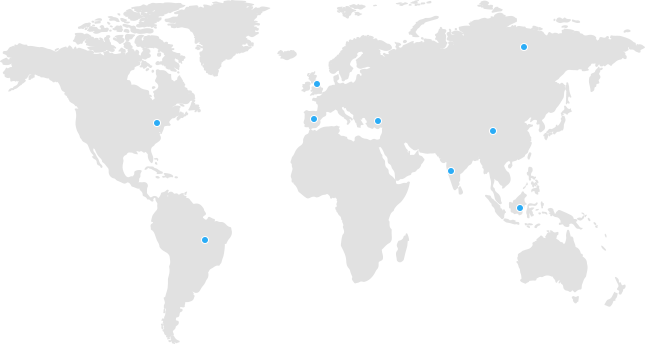
Many Cloud VPS providers offer server locations worldwide. You can choose data center locations close to your target audience, reducing latency and improving page load speeds for visitors. This geographic distribution also enables compliance with data residency requirements in certain jurisdictions.
Cost Predictability with Pay-As-You-Grow Options
Unlike traditional dedicated servers with fixed costs regardless of usage, many Cloud VPS plans offer flexible pricing. You pay for the resources you actually need, with the ability to scale up during busy periods and scale down during quieter times.
Essential Features to Look for in Cloud VPS Hosting
When evaluating what Cloud VPS hosting providers offer, focus on these critical features:
Guaranteed Resources
Ensure your plan specifies dedicated amounts of CPU cores, RAM, storage, and bandwidth. Avoid providers using vague terms like “unlimited” without clear resource allocations.
SSD Storage
Solid-state drives deliver significantly faster read/write speeds compared to traditional hard drives. This translates to quicker database queries, faster file access, and improved overall website performance.
Managed vs. Unmanaged Options
Managed Cloud VPS includes server maintenance, security updates, and technical support from the hosting provider. Unmanaged VPS gives you complete control but requires technical expertise to maintain. Consider your technical capabilities and available time when choosing.
Backup and Disaster Recovery
Automated backups protect your data from accidental deletion, security breaches, or hardware failures. Look for providers offering regular snapshots with easy restoration options.
Monitoring and Analytics
Good Cloud VPS hosting includes tools to monitor server performance, resource usage, and potential issues. Real-time monitoring helps identify and resolve problems before they affect your website.
Control Panel Options
User-friendly control panels like cPanel, Plesk, or custom dashboards simplify server management, especially for users without extensive command-line experience.
24/7 Technical Support
Even with managed hosting, questions and issues arise. Responsive support with knowledgeable staff ensures problems get resolved quickly, minimizing potential downtime or performance issues.
Best Practices for Using Cloud VPS Hosting
1. Assess Your Requirements Accurately
Before selecting a Cloud VPS plan, evaluate your website’s resource needs. Consider current traffic levels, expected growth, application requirements, and any resource-intensive features. Starting with appropriate resources prevents performance issues and unnecessary costs.
2. Implement Proper Security Measures
Take advantage of your server control to configure robust security. This includes setting up firewalls, using strong authentication, keeping software updated, implementing SSL certificates, and regularly reviewing access logs.
3. Optimize Your Server Configuration
Cloud VPS gives you the power to fine-tune server settings for your specific use case. Optimize database configurations, enable caching mechanisms, configure CDN integration, and adjust web server settings to maximize performance.
4. Monitor Resource Usage
Regularly review your server metrics to understand usage patterns. This helps you identify optimization opportunities, plan for scaling, and ensure you’re not paying for unused resources or running too close to capacity limits.
5. Maintain Regular Backups
Even with reliable cloud infrastructure, maintain your own backup strategy. Automated daily backups stored in separate locations provide additional protection for critical data.
6. Plan Your Scaling Strategy
Understand how your provider handles resource scaling. Know the process for upgrading RAM, CPU, or storage so you can respond quickly when your website’s needs change.
Common Misconceptions About Cloud VPS Hosting
“It’s Too Technical for Non-Developers”
While unmanaged Cloud VPS requires technical knowledge, managed VPS hosting handles server administration for you. Many providers offer user-friendly interfaces that make Cloud VPS accessible to website owners without advanced technical skills.
Shared Hosting Is Good Enough
Shared hosting works for simple websites with minimal traffic, but growing businesses quickly encounter limitations. Slow performance, resource restrictions, and security concerns make Cloud VPS a worthwhile investment as your site develops.
It's Too Expensive
Cloud VPS costs more than basic shared hosting but delivers significantly better value. The improved performance, reliability, and scalability often result in better business outcomes that justify the modest price increase. When compared to dedicated servers, Cloud VPS provides similar capabilities at much lower costs.
Cloud Means My Data Isn't Secure
Cloud infrastructure actually enhances security through redundancy and professional management. Reputable Cloud VPS providers implement enterprise-grade security measures that exceed what most individuals could implement on their own servers
When to Upgrade to Cloud VPS Hosting
Recognizing when to move from shared hosting to Cloud VPS helps you upgrade before problems affect your business:
Growing Traffic: Your website consistently receives thousands of visitors daily, and shared hosting struggles to handle the load.
E-commerce Operations: You’re running an online store where performance and security directly impact revenue.
Custom Applications: Your website requires specific software, configurations, or server settings unavailable in shared environments.
Performance Issues: You experience slow loading times, especially during peak traffic periods.
Security Requirements: Your business handles sensitive data requiring enhanced security and isolation.
Development Projects: You need staging environments, version control integration, or specialized development tools.
Multiple Websites: You manage several websites and want consolidated hosting with better resource control than shared plans offer.
A strong example is Nexus Cloud VPS, offering enterprise-grade infrastructure in Pakistan.
How Cloud VPS Hosting Supports Long-Term Success
Investing in Cloud VPS hosting positions your website for sustainable growth rather than requiring frequent migrations as you outgrow hosting plans.
Future-Proof Infrastructure
Cloud technology continues evolving, and Cloud VPS providers regularly upgrade their infrastructure. Your hosting benefits from these improvements without requiring you to change services or migrate data.
Business Continuity
The redundancy and reliability of Cloud VPS protect your business from extended downtime. Your website remains operational even during hardware failures, maintenance, or unexpected issues.
Competitive Performance Advantages
In competitive online markets, website speed and reliability differentiate you from competitors still using budget shared hosting. Cloud VPS gives you performance advantages that translate into better user experiences and business results.
Professional Credibility
Fast, secure, reliable websites build trust with visitors. Cloud VPS hosting ensures your site performs professionally, supporting your brand reputation and customer confidence.
Build your business on reliable infrastructure: See Host Zero Budget Friendly Hosting options.
FAQs
Cloud VPS hosting provides you with a virtual server that has dedicated resources (CPU, RAM, storage) but runs on a network of physical servers rather than just one machine. This gives you better performance than shared hosting with more reliability than traditional VPS.
Traditional VPS relies on a single physical server, while Cloud VPS distributes your virtual server across multiple connected servers. This makes Cloud VPS more reliable, if one physical machine fails, your site continues operating on others in the network.
It depends on whether you choose managed or unmanaged hosting. Managed Cloud VPS includes server maintenance and support, making it accessible to non-technical users. Unmanaged VPS requires knowledge of server administration.
Yes. Cloud VPS hosting is excellent for WordPress, especially for sites with significant traffic or resource-intensive themes and plugins. The dedicated resources ensure consistent performance and allow you to optimize your WordPress configuration.
Most Cloud VPS providers allow seamless resource scaling. You can typically upgrade RAM, CPU, storage, or bandwidth with minimal downtime, often through your control panel without requiring technical intervention.
Cloud VPS provides strong security through isolation from other users, customizable firewalls, and control over your security configurations. Combined with responsible security practices, Cloud VPS offers excellent protection for your website and data.
Start Your Cloud VPS Journey Today
Understanding what Cloud VPS hosting is reveals why it has become the preferred choice for growing businesses, developers, and serious website owners. The combination of dedicated resources, cloud reliability, scalability, and reasonable pricing makes Cloud VPS an ideal middle ground between shared hosting limitations and dedicated server costs.
By choosing Cloud VPS hosting, you invest in infrastructure that supports your current needs while positioning your website for future growth. The performance improvements, enhanced security, and operational flexibility enable you to focus on your business rather than worrying about hosting limitations.
Whether you’re outgrowing shared hosting, launching a new business venture, or building applications that demand reliable performance, Cloud VPS hosting provides the foundation for online success.