
- AI-Powered hosting cuts average page load time by up to 50% compared to traditional shared hosting environments.
- The neighbor effect in shared hosting can degrade performance by up to 40% during peak traffic hours.
- Predictive AI maintenance can reduce unplanned downtime by as much as 70% compared to reactive shared hosting management.
- According to Gartner, by 2026, over 75% of enterprises will shift to cloud-native or AI-enhanced infrastructure.
- AI security systems respond to threats in milliseconds, while manually monitored shared hosting environments take hours.
- Shared hosting remains the most cost-effective solution for personal blogs, portfolios, and low-traffic websites.
Introduction
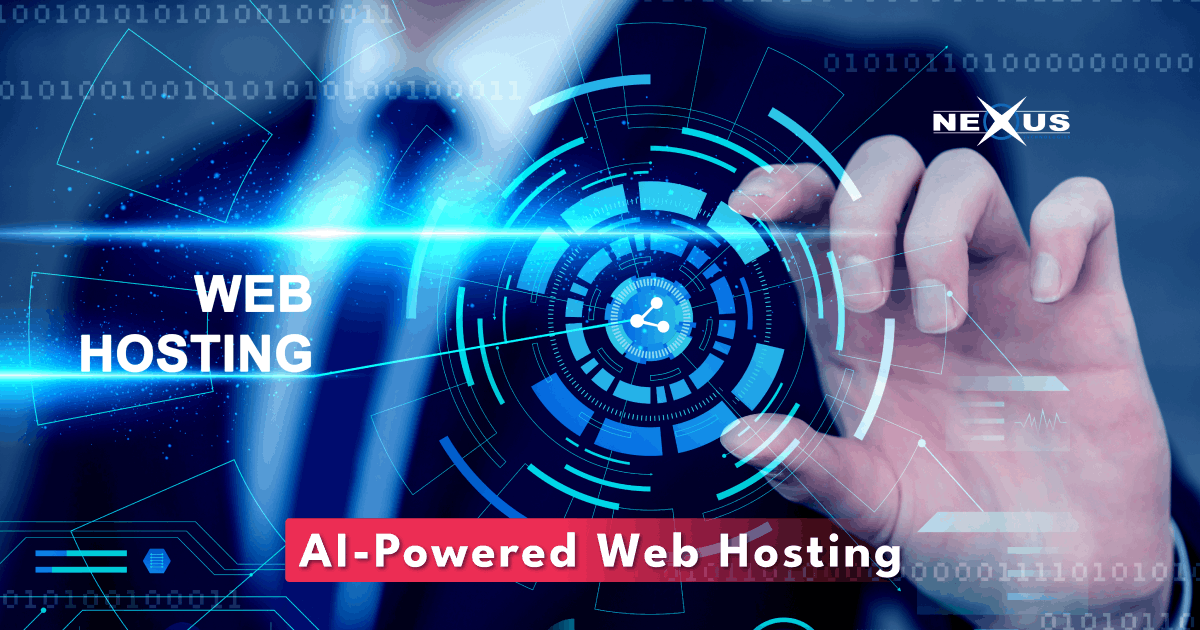
The web hosting landscape is rapidly evolving, and AI-powered web hosting is emerging as a powerful alternative to traditional shared hosting. While shared hosting has long offered the most accessible and affordable way to launch websites, modern digital demands faster load times, stronger security, and seamless scalability are pushing businesses toward smarter hosting solutions. By integrating artificial intelligence into server management, AI-powered hosting platforms automatically optimize performance, detect security threats in real time, and allocate resources dynamically, making them increasingly attractive for performance-focused websites and growing businesses.
For many years, traditional shared hosting allowed multiple websites to operate on a single server by sharing resources like CPU, RAM, and storage. This model helped millions of blogs, portfolios, and small business websites get online at minimal cost. However, as websites became more interactive, media-heavy, and traffic-driven, users began noticing the limitations of shared hosting environments more clearly.
Issues such as slower page speeds, resource competition between websites, limited scalability, and reactive security measures have created challenges that static server configurations struggle to solve. These constraints hurt user experience, search engine rankings, and overall website reliability.
AI-powered hosting addresses these challenges by transforming server management from a reactive system into a proactive one. Through machine learning algorithms and intelligent automation, AI platforms predict traffic spikes, optimize server resources in real time, detect suspicious activity instantly, and even anticipate hardware failures before they cause downtime.
As a result, businesses that prioritize performance, reliability, and scalability are increasingly abandoning traditional shared hosting and adopting AI-powered hosting environments designed to meet the demands of modern websites.
Shared Hosting vs. AI-Powered Hosting
Quick Comparison
| Feature | Shared Hosting | AI-Powered Hosting |
|---|---|---|
| Resource Allocation | Fixed | Dynamic, real-time |
| Security Monitoring | Manual / Basic | Real-time AI detection |
| Scalability | Requires manual upgrades | Automatic, on-demand |
| Threat Response Time | Hours manual | Milliseconds automated |
| Best For | Blogs, portfolios | Business, e-commerce |
Limitations of Traditional Shared Hosting
Despite its continued popularity among beginners, shared hosting carries notable structural drawbacks that become more pronounced as a website grows.
Resource Competition
Websites on the same server share CPU, RAM, and bandwidth. A sudden traffic spike on one site can drag down performance for all others on that server, sometimes by as much as 40% during peak periods. Businesses most commonly cite this neighbor effect as the reason they outgrow shared hosting.
Limited Scalability
Neighbor Scalability: Fixed server resources mean that growing websites can quickly exceed their hosting plan’s capacity. Owners must migrate to VPS or cloud hosting, which adds cost and complexity at a critical growth stage.
Performance Bottlenecks
During peak traffic periods, shared hosting environments frequently struggle. This results in slower page load times, higher bounce rates, and degraded user experience. All scalability
Scalability experience, all of which negatively impacts search rankings and conversions.
Security Risks
Vulnerabilities on one website hosted on a shared server can expose customization risks to neighboring sites to malware, injections, or data breaches. Traditional shared hosting typically relies on static, reactive security measures that fail to catch threats early.
Limited neighboring customization users
Generally cannot modify server configurations or install optimized customizations and specialized software, which restricts what developers can deploy or analyze at the infrastructure level.
The Future of Intelligent Web Hosting
Modern web hosting is evolving rapidly through the integration of artificial intelligence. AI-powered hosting uses machine learning algorithms within server management systems, turning traditional hosting from a reactive service into a proactive solution. Instead of waiting for issues to appear, AI-based platforms predict potential problems and resolve them before they impact website performance. By continuously analyzing and optimizing server data, traffic patterns, and system activity, these platforms help maintain stable and efficient website operations.
These systems use intelligent technologies to monitor server activity, detect threats like malware or unusual behavior, optimize behavior, and automatically apply protective measures, ensuring a safe hosting environment. At the same time resources are dynamically allocated based on demand, which improves speed and minimizes behavior and minimizes downtime for websites. Modern hosting platforms also integrate features like SSL security, firewalls, and high uptime guarantees to enhance reliability and user experience, minimizing issues. As a result, AI-driven hosting not only reduces manual effort but also delivers faster, more secure, and highly efficient performance, making it an essential component for businesses aiming to maintain a strong and dependable online presence.
The future of hosting will increasingly blend AI automation with affordable shared infrastructure.
The future of hosting will rely heavily on AI to automate server management, optimize performance, and predict issues before they occur.
At the same time, affordable shared infrastructure will make scalable hosting accessible to individuals and small businesses alike.
Together, this blend will create smarter, cost-efficient, and highly reliable hosting environments for everyone to optimize.
Predictive AI maintenance can reduce unplanned downtime by as much as 70% compared to reactive shared hosting management.
Predictive AI maintenance analyses everyone. Analyzes patterns and detects potential failures before they happen, significantly reducing unexpected outages.
Compared to reactive shared hosting management, it enables faster response times and minimizes service disruptions.
As a result, businesses can experience up to 70% less unplanned downtime and maintain more consistent performance.
AI security systems respond to threats in milliseconds, while manually monitored shared hosting environments take hours.
AI-driven security systems can detect and respond to cyber threats in milliseconds, stopping attacks before they escalate.
In contrast, manually monitored shared hosting environments often take hours to identify and address security issues.
This speed advantage makes AI-powered hosting far more effective at protecting data and maintaining uptime.
AI-hosting plans cost 3 to 5 times more than shared hosting, making budget a key decision factor that minimizes the factor.
AI-powered hosting plans often cost 3 to 5 times more than traditional shared hosting due to advanced automation and intelligence features.
This price difference makes budget a crucial factor when choosing the right hosting solution.
Shared hosting remains the most cost-effective solution for personal blogs, portfolios, and low-traffic websites.
Users must weigh the higher cost against benefits like improved performance security and reduced maintenance effort.
Shared hosting continues to be the most budget-friendly option for personal blogs, portfolios, and small websites.
It provides essential features and reliable performance without the higher costs of advanced hosting solutions.
For low-traffic projects, it offers a practical balance between affordability and functionality.
Benefit of AI-Powered Web Hosting
Performance & Speed
- Up to 50% faster page load times
- Optimised caching, compression, and load balancing
- Improved Core Web Vitals and SEO rankings
Advanced Security
- Real-time threat detection, millisecond response
- Continuous monitoring for malware and suspicious activity
- Automatic blocking and isolation of threats
Smart Scalability
- Dynamic resource allocation — smart CPU, RAM, and bandwidth
- Automatically scales during traffic spikes
- No manual upgrades required
Predictive Maintenance
- AI predicts failures before they happen
- Reduces unplanned downtime by up to 70%
- Ensures 99.95%+ uptime reliability
Automation & Efficiency
- Automated updates, backups, and server maintenance
- Reduces need for manual DevOps work
- Minimises human error
Intelligent Optimisation
- Learns from traffic patterns
- Prepares servers for peak loads in advance
- Improves overall server efficiency
Modern Integrations
- Built-in CDN and edge optimization
- Compliance monitoring (e.g., GDPR alerts)
- Energy-efficient infrastructure
Cons of AI-Powered Hosting
| Cons | Limitation Why It Matters |
|---|---|
| Vendor lock-in risk | Proprietary AI systems can make migrating to another provider complex. |
| Less direct user control | Automation can unexpectedly override custom server configurations. |
| Transparency limitations | Users may not always see why the AI made a specific resource decision. |
| Steeper learning curve | AI dashboards are more complex than standard cPanel interfaces. |
Why AI Hosting Is Replacing Traditional Shared Hosting
Five converging pressures are driving the migration from shared to AI-powered hosting.
High-performance demands Modern websites include interactive applications, video content, APIs, and dynamic scripts that require consistent high-speed delivery, something fixed shared resources cannot reliably provide.
Proactive Security Requirements Cybercriminals increasingly automate and sophisticate their attacks. AI-driven hosting matches this threat level by monitoring and responding in real time, without waiting for human review.
Zero Tolerance for Downtime For e-commerce and business websites, every minute of downtime carries a measurable revenue cost. Predictive AI monitoring keeps sites running even during unexpected surges or hardware issues.
Resource Efficiency at Scale AI allocates compute resources precisely where needed, eliminating the waste inherent in fixed shared environments while improving overall server efficiency.
Automation as a Competitive Advantage Businesses that automate hosting management from updates to optimization cut operational costs and respond faster to changing traffic patterns.
Shared Hosting Still Has a Place
Despite the advantages of AI-powered hosting, traditional shared hosting is far from obsolete. For many use cases it remains the smarter, more economical choice.
- Personal blogs and hobby sites
- Small business brochure websites
- Portfolio and resume sites
- Low-traffic development or staging environments
- Budget-constrained projects where performance demands are minimal
Shared hosting is affordable, simple to manage, and entirely sufficient for websites that do not require high performance thresholds, advanced automation, or enterprise-level security. Real need, not marketing pressure, should drive the decision to upgrade to AI hosting.
Conclusion
The shift from traditional shared hosting to AI-powered web hosting reflects the evolving demands of modern websites and digital businesses. Shared hosting remains a smart, cost-effective choice for small, low-traffic projects, but businesses that require consistent speed, advanced security, automated management, and elastic scalability will find that AI-powered hosting delivers a meaningful upgrade.
As technology matures, AI capabilities will increasingly filter into all hosting tiers, making intelligent automation the norm rather than a premium feature. Making the right hosting decision today requires an honest assessment of your website’s current needs and projected growth, balancing affordability, performance, and scalability accordingly.
Advanced Smart Hosting Solutions
Nexus offers an AI-powered smart hosting platform that combines intelligent automation with enterprise-grade security and performance.
Key Features:
- AI-Optimized Performance — Dynamic CPU, RAM, and bandwidth allocation based on live traffic patterns
- Advanced Security — SSL certificates, real-time malware scanning, DDoS protection, and automated firewalls
- Automated Backups and Updates — Routine maintenance is handled automatically, reducing human error
- User-Friendly Control Panels — Simple one-click management, no technical expertise required
- Scalable Hosting Plans — Flexible upgrades that grow with your website’s traffic
- Energy-Efficient Infrastructure — Smart server optimization aligned with sustainability goals
FAQs
What is AI-powered web hosting?
AI-powered web hosting uses artificial intelligence and machine learning to automatically manage server resources, optimize website performance, enhance security, and predict potential issues before they affect your site.
How does AI hosting differ from traditional shared hosting?
Traditional shared hosting uses fixed server resources that multiple websites share, which can degrade performance, especially during traffic spikes. AI hosting dynamically allocates CPU, RAM, and bandwidth based on real-time demand, improving speed and reliability.
Why are businesses increasingly choosing AI-powered hosting?
AI hosting efficiently handles modern website requirements, interactive applications, video content, APIs, and high traffic while providing predictive monitoring, advanced automated security, and hands-free maintenance.
What are the main limitations of traditional shared hosting?
The primary limitations include resource competition, the neighbor effect, limited scalability, performance bottlenecks during peak traffic, security risks from co-hosted sites, and restricted server customization.
Can shared hosting still be a good choice?
Yes, shared hosting is ideal for personal blogs, portfolios, small business brochure sites, and low-traffic projects. Its affordability and ease of use make it entirely sufficient for websites with modest performance requirements.