
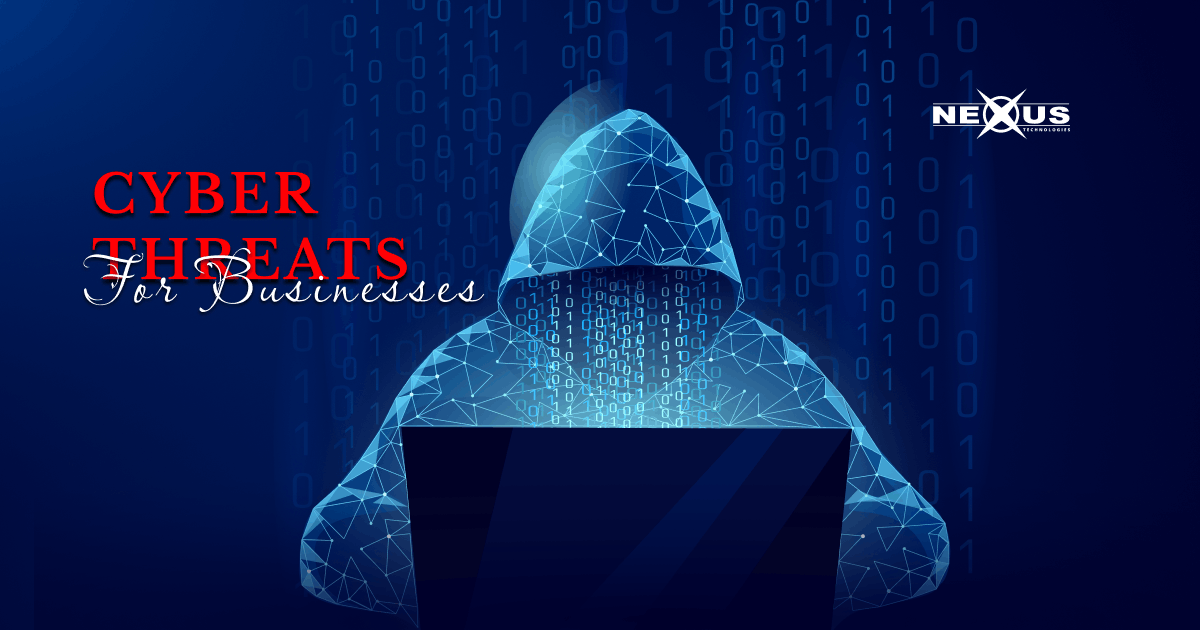
Cybercrime isn’t just a problem for big corporations anymore. Today, cyber threats for businesses of all sizes are growing faster than ever, and ignoring them is like leaving your office doors wide open overnight. Hackers are smarter, faster, and more organized—and they’re actively hunting for easy targets.
If you run a business, this guide will walk you through the most dangerous cyber threats and, more importantly, how to stay safe.
- Cyber threats target businesses of all sizes, not just large companies.
- Phishing and social engineering exploit human error.
- Ransomware and malware can disrupt operations and steal data.
- Weak passwords and insider threats increase security risks.
- Cloud, IoT, and remote work expand attack surfaces.
- Proactive cybersecurity and training are essential for protection.
Introduction to Cyber Threats for Businesses
Why cyber threats are growing faster than ever
The digital world has expanded rapidly. Cloud platforms, remote work, online payments, and connected devices have created countless entry points for attackers. Every new technology adds convenience—but also risk.
The real cost of cybercrime on modern businesses
Cyberattacks don’t just cost money. They damage reputations, disrupt operations, and erode customer trust. One successful breach can undo years of hard-earned credibility in a single day.
What Are Cyber Threats?
Definition of cyber threats for businesses
Cyber threats are malicious activities aimed at damaging, stealing, or disrupting business data, systems, or operations. These threats target networks, employees, customers, and even third-party vendors.
How attackers target organizations today
Attackers rarely rely on brute force alone. They use deception, automation, and psychological tricks to exploit human behavior—because people are often easier to hack than systems.
Phishing Attacks
How phishing works
Phishing attacks disguise themselves as legitimate emails, messages, or websites. One careless click can hand over login credentials or install malicious software.
Email phishing vs spear phishing
- Email phishing targets many users at once
- Spear phishing is personalized and far more dangerous
Why employees are the weakest link
Even the best security tools can’t protect a business if employees aren’t trained. One untrained employee can compromise the entire organization.
Ransomware Attacks
What ransomware does to businesses
Ransomware encrypts your data and demands payment to restore access. It’s like a digital hostage situation—except there’s no guarantee you’ll get your data back.
Industries most affected by ransomware
Healthcare, finance, education, and small businesses are prime targets due to sensitive data and limited security budgets.
Malware and Spyware
Common types of malware
- Trojans
- Worms
- Keyloggers
- Spyware
How malware enters business systems
Malware often sneaks in through email attachments, compromised websites, or outdated software—like a virus slipping through an unlocked door.
Insider Threats
Malicious vs negligent insiders
Not all insider threats are intentional. Some employees simply make mistakes—while others abuse access for personal gain.
Why insider threats are hard to detect
Insiders already have access, making their actions blend in with normal activity.
Business Email Compromise (BEC)
CEO fraud and invoice scams
Attackers impersonate executives or vendors to trick employees into transferring funds.
Financial impact of BEC attacks
BEC attacks cause billions in losses worldwide every year—and recovery is often impossible.
Distributed Denial of Service (DDoS) Attacks
How DDoS attacks disrupt operations
DDoS attacks flood your systems with traffic until services crash, taking websites and applications offline.
Signs your business is under attack
Slow systems, website downtime, and sudden traffic spikes are red flags.
Supply Chain Attacks
Why vendors are prime targets
Hackers often attack smaller vendors to gain access to larger organizations.
Real-world supply chain attack examples
Some of the largest breaches started with a single compromised vendor account.
Cloud Security Threats
Misconfigured cloud environments
Poor configuration is one of the biggest cloud security risks—often exposing sensitive data publicly.
Shared responsibility model explained
Cloud providers secure infrastructure—but businesses must secure their own data and access.
Weak Passwords and Credential Theft
Password reuse risks
Reusing passwords across platforms makes credential theft incredibly effective.
Credential stuffing attacks
Attackers use stolen credentials from one breach to access multiple systems.
Zero-Day Vulnerabilities
What zero-day threats mean for businesses
Zero-day vulnerabilities are exploited before fixes are available, leaving businesses defenseless.
Why patching delays are dangerous
Delaying updates gives attackers a wide-open window.
Social Engineering Attacks
Manipulation tactics hackers use
Attackers exploit fear, urgency, and authority to manipulate employees.
Real-life business scenarios
Fake invoices, urgent emails, and impersonated calls are common traps.
IoT and Remote Work Risk
Unsecured devices in business networks
IoT devices often lack proper security, making them easy targets.
Remote workforce security challenges
Home networks and personal devices increase attack surfaces.
How to Protect Your Business from Cyber Threats
Cybersecurity awareness training
Training turns employees from weak links into strong defenders.
Managed cybersecurity services
Professional protection ensures continuous monitoring and rapid response.
Why professional security matters
Partnering with experts like Nexus Cybersecurity Services helps businesses stay ahead of evolving threats with proactive defense strategies.
Turn cybersecurity into your competitive advantage with expert-led protection.
Choosing the Right Cybersecurity Partner
What to look for in a provider
- 24/7 monitoring
- Threat detection
- Incident response
Benefits of proactive cybersecurity
Prevention costs far less than recovery. Learn how trusted solutions from Nexus Cybersecurity Services can safeguard your operations.
The Future of Cyber Threats for Businesses
AI-driven attacks
AI is making cyber threats faster and harder to detect.
Preparing for tomorrow’s risks
Forward-thinking businesses invest in continuous security improvement.
Conclusion
Cyber threats for businesses are no longer optional risks, they’re guaranteed challenges. The good news? With awareness, training, and the right cybersecurity partner, you can stay ahead of attackers instead of reacting to disasters. Investing in strong protection today ensures your business survives and thrives tomorrow.
FAQs
What are the biggest cyber threats for businesses today?
Phishing, ransomware, malware, insider threats, and BEC attacks top the list.
Are small businesses really targeted by hackers?
Yes. Small businesses are often targeted because they have weaker security.
How often should businesses update their security systems?
Regularly updates and patches should be applied as soon as they’re available.
Can employee training really prevent cyberattacks?
Absolutely. Trained employees reduce human-error-based attacks significantly.
Why should businesses use managed cybersecurity services?
They provide expert monitoring, faster response, and stronger protection against evolving threats.